Feeling intense g2 test anxiety before sitting behind the wheel with a DriveTest examiner is completely normal. Even well-prepared drivers experience racing heartbeats, sweaty palms, and sudden self-doubt. However, unmanaged nerves are responsible for the vast majority of simple test-day errors, such as rolling through stop signs, rushing parallel parking, or forgetting shoulder blind-spot checks.
By establishing a clear preparation routine and understanding how examiners evaluate your driving, you can turn nervous energy into focused, safe driving.
Why Nerves Cause Common Test Mistakes
When you feel nervous for road test evaluations, your brain enters a fight-or-flight state, restricting your peripheral vision and rushing your physical actions. This psychological pressure leads to three classic mistakes:
Rushed Observation Checks: Glance-checking mirrors without physically turning your head to inspect blind spots.
Speed Instability: Driving excessively slow out of fear (which can be marked as a hazard) or creeping over the posted speed limit.
Incomplete Stops: Failing to bring the vehicle to a complete 0 km/h dead stop at stop signs or red lights before turning right.
If you are a parent supporting a nervous young driver, read our companion guide on helping your teen through driving test anxiety.
Step-by-Step Routine to Overcome Driving Test Anxiety
1. The Week Before Your Test
Practice in the Test Zone: Schedule professional driving lessons in the neighborhood surrounding your specific DriveTest centre to familiarize yourself with speed limit changes, school zones, and commercial intersections.
Simulate Mock Tests: Have an instructor perform a realistic mock test, calling out directions without offering feedback until the end.
2. The Morning of Your Exam
Avoid Excessive Caffeine: Coffee and energy drinks heighten physical nervousness and increase your heart rate.
Arrive 30 Minutes Early: Arriving early gives you time to complete kiosk check-in, park in designated road test bays, and catch your breath.
3. In the Waiting Room & Car
Practice Box Breathing: Inhale deeply through your nose for 4 seconds, hold for 4 seconds, exhale through your mouth for 4 seconds, and hold for 4 seconds. Repeat this cycle three times to calm your nervous system.
Adjust Your Mirrors and Seat: Taking a moment to adjust your equipment signals to the examiner that you are calm, methodical, and safety-focused.
┌────────────────────────────────────────────────────────────────────────┐
│                   CALM DRIVING TEST-DAY TIMELINE                       │
├───────────────────┬────────────────────────────────────────────────────┤
│ 7 Days Prior      │ Practice mock road tests in the local test zone    │
├───────────────────┼────────────────────────────────────────────────────┤
│ Test Morning      │ Eat a balanced meal; avoid high caffeine doses     │
├───────────────────┼────────────────────────────────────────────────────┤
│ 30 Mins Prior     │ Park in designated test bay; complete kiosk check-in│
├───────────────────┼────────────────────────────────────────────────────┤
│ In the Car        │ Perform box breathing; announce shoulder checks    │
└───────────────────┴────────────────────────────────────────────────────┘
What to Do If You Make a Mistake Mid-Test
If your wheel touches a curb while parallel parking or you stall the engine, do not panic. A minor error does not mean you have failed. Examiners grade on a cumulative point system; unless you commit a major safety violation (like running a red light or mounting a curb), you can easily make up for a minor mistake by maintaining flawless defensive habits for the remainder of the drive.
Boost Your Confidence with a Warm-Up Drive
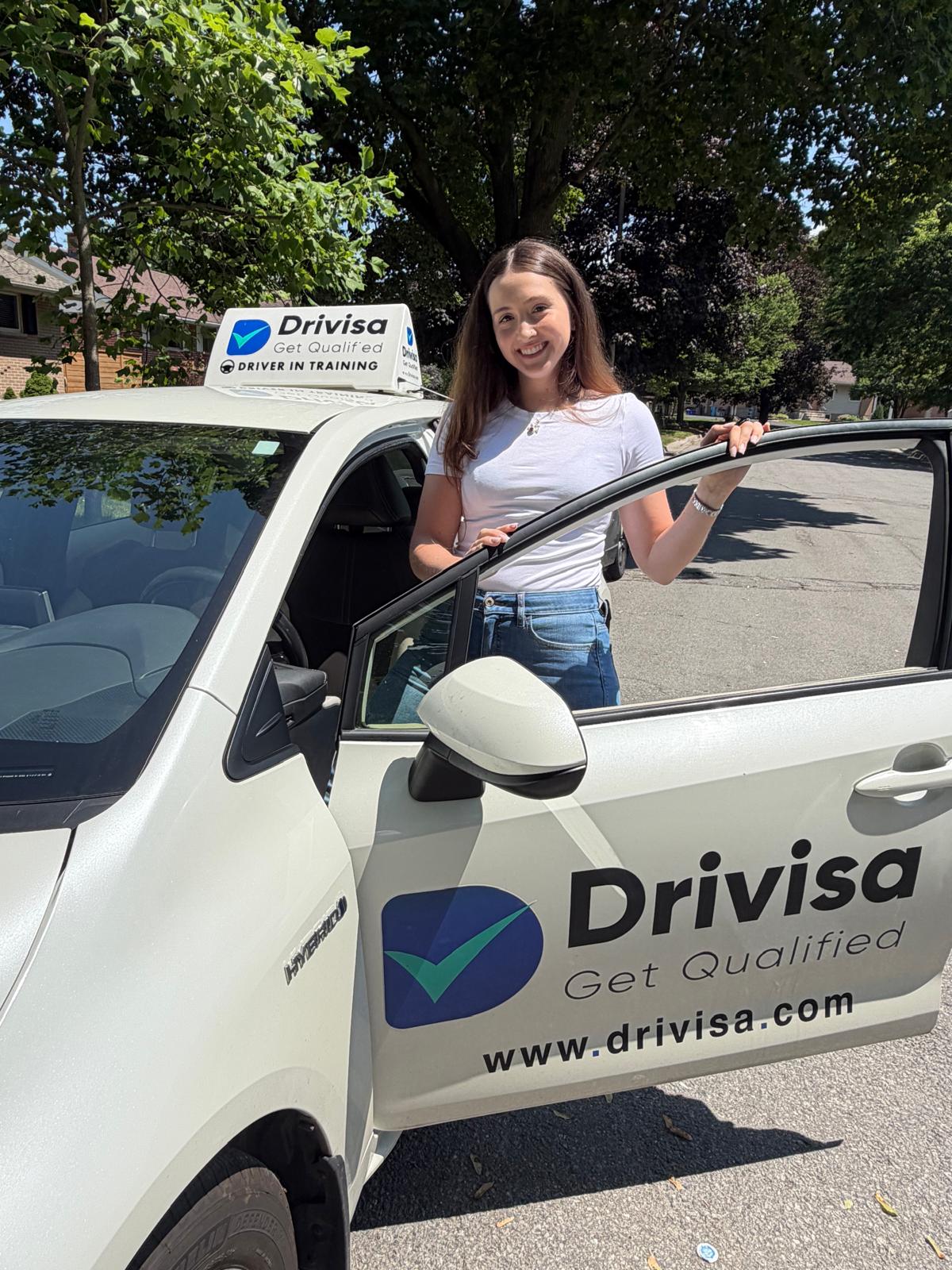
One of the best ways to eliminate driving test anxiety is taking a 45-minute warm-up lesson right before your appointment. Through Drivisa's road test booking platform, you can practice parking maneuvers, review tricky intersections, and warm up in the exact vehicle you will use for your exam.