The Ontario Class G road test—formally known as the G2 exit test—is the final practical examination in Ontario’s Graduated Licensing System. Successfully completing this test grants you a full, unrestricted Class G driver’s licence, removing all passenger limits, nighttime driving restrictions, and novice blood-alcohol curfews.
While the G2 exam focuses primarily on low-speed vehicle handling in residential settings, the Class G test evaluates your ability to make safe, independent decisions in complex traffic, manage high-speed expressway corridors, and maintain continuous defensive space cushions.
Eligibility and Arrival Logistics
1. Mandatory Prerequisites
Before booking your G road test, you must confirm that you meet two provincial criteria:
12-Month Holding Period: You must have held a valid G2 licence for at least 12 consecutive months.
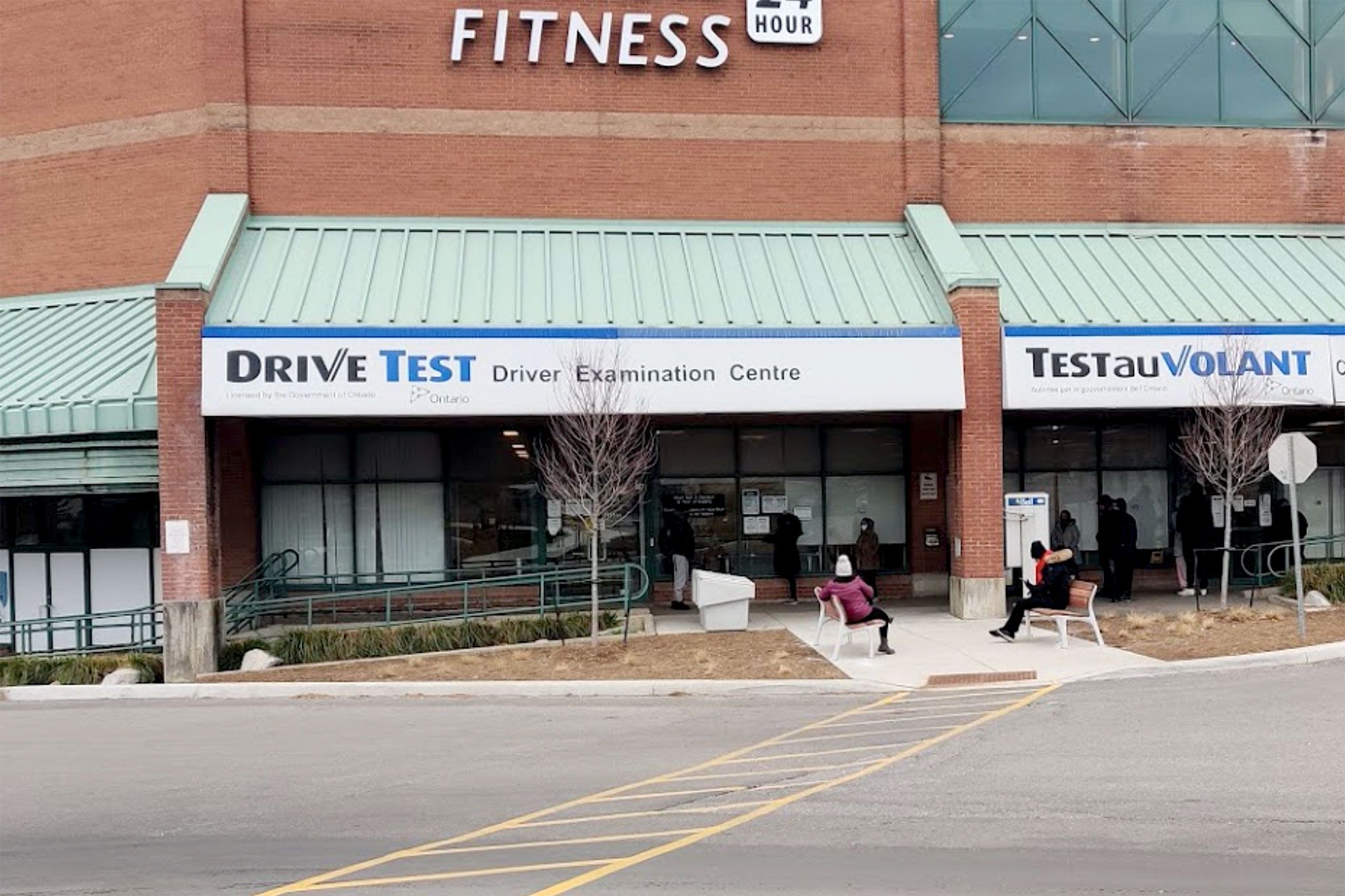
Declaration of Highway Experience: When checking in at DriveTest, you must sign an official declaration confirming that in the three months prior to the test, you have driven on a highway with a speed limit of 80 km/h or higher at least five separate times. Falsifying this declaration can lead to immediate test cancellation and administrative penalties.
2. How Long Does the Test Take?
Candidates often ask: how long is the g test? From the moment your examiner enters your car, the active driving portion lasts approximately 30 to 35 minutes. You will spend roughly 15 minutes navigating busy multi-lane arterial roads and 15 to 20 minutes operating on high-speed expressways or 400-series highways.
┌─────────────────────────────────────────────────────────────┐
│                   CLASS G TEST TIME ALLOCATION              │
├──────────────────────────────┬──────────────────────────────┤
│ Pre-Trip Vehicle Check       │ 5 Minutes                    │
├──────────────────────────────┼──────────────────────────────┤
│ Urban Arterial Driving       │ 8–10 Minutes                │
├──────────────────────────────┼──────────────────────────────┤
│ Highway Merging & Exiting    │ 13–15 Minutes                │
├──────────────────────────────┼──────────────────────────────┤
│ Post-Trip Debrief & Scoring  │ 3–5 Minutes                  │
└──────────────────────────────┴──────────────────────────────┘
What Is Evaluated on the Highway Section
The expressway portion is the core of the Class G road test. DriveTest examiners assess your visual scanning habits, speed regulation, and lane discipline across four distinct phases:
Phase 1: On-Ramp Acceleration
Examiners watch to ensure you utilize the entire length of the acceleration lane to match the speed of oncoming highway traffic (typically 100 km/h under normal conditions). Merging onto a 400-series highway at 70 or 80 km/h forces existing traffic to brake, creating a severe hazard that results in an immediate failure.
Phase 2: Blind-Spot Scanning and Merging
Before crossing the solid-to-broken lane line, you must execute the full observation cycle:
Check your rearview mirror.
Activate your turn signal at least three seconds before merging.
Check your side-view mirror.
Perform an unmistakable physical shoulder blind-spot check.
Phase 3: Highway Cruising and Space Cushions
While cruising on the expressway, you are evaluated on maintaining a steady speed within the posted limit and preserving a minimum three-to-four-second following distance behind other vehicles. Examiners penalize drivers who tailgate transport trucks or hover in other drivers' blind spots.
Phase 4: Intentional Lane Changes and Exiting
The examiner will instruct you to perform at least two lane changes on the expressway (e.g., "When it is safe, move into the left lane, and when safe, move back into the right lane"). As you approach your exit, you must signal early, maintain highway speed until you are fully inside the deceleration lane, and slow down smoothly before entering the off-ramp curve.
What Is Currently Not Tested on the Modernized G Test
In 2022, the Ministry of Transportation streamlined the Class G road test route to clear province-wide testing backlogs. As confirmed on ontario.ca (verified October 2026), low-speed residential maneuvers are excluded from the Class G examination.
Examiners currently do not evaluate:
Parallel parking
Three-point turns
Roadside emergency stops and hill parking
Because these skills were already verified during your G2 exam, your G test is dedicated strictly to high-speed arterial and expressway driving. Be aware that examiners still enforce strict standards; review our breakdown of 3 immediate failures to avoid critical errors.