Stepping up to the G road test is the final hurdle in Ontario's graduated licensing system. While you have already mastered the basics during your G2 stage, the full G test introduces higher speeds, multi-lane highway driving, and advanced hazard perception. Examiners watch your safety habits closely, and a single critical error can end the test before you even return to the DriveTest centre.
The three most common immediate fail triggers on your G test are failing to observe properly during lane changes, rolling through stop signs or failing to yield, and driving at an unsafe speed for highway merging. Avoiding these critical mistakes takes disciplined observation, proper preparation, and professional guidance through driving lessons designed for Ontario highways.
1. Inadequate Observation and Blind Spot Checks
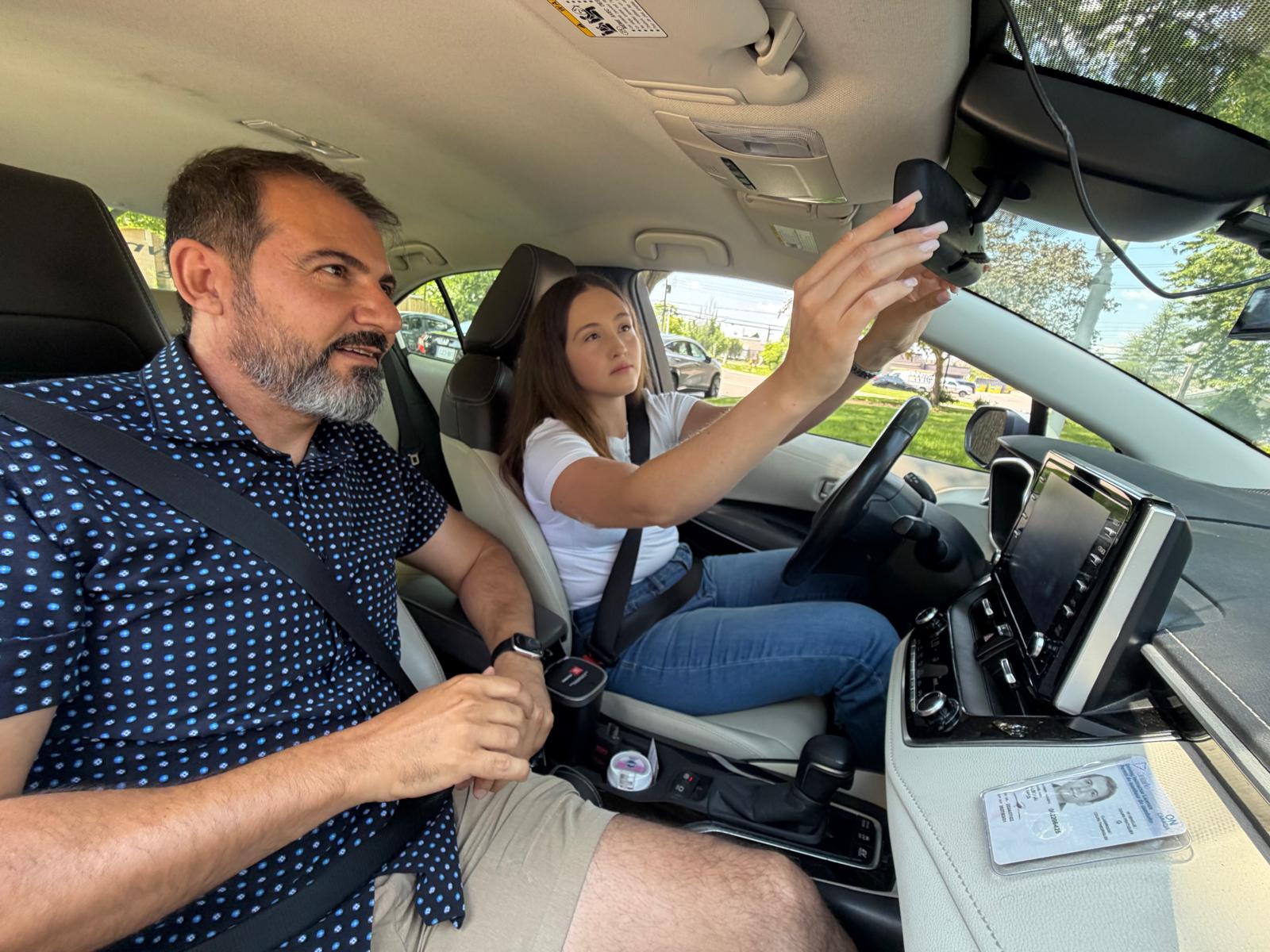
The number one reason drivers fail their G test instantly is poor observation. When you change lanes on a busy expressway or navigate complex intersections, checking your mirrors is simply not enough. You must physically turn your head to check your blind spots.
Examiners sit in a specific position to monitor your eye movements. If your eyes stay locked forward or only flick toward the glass without a deliberate head turn, you will lose marks or trigger an automatic fail. Every single lateral movement on the road requires a mirror check, a signal, a blind spot check, and a smooth steer.
2. Improper Highway Merging and Speed Matching
The G test requires you to demonstrate competence on high-speed provincial highways, which means merging safely is mandatory. A common instant fail happens when a driver enters the acceleration lane and either slows down or stops because they are intimidated by oncoming traffic.
You must match the flow of traffic on the highway before you merge. Hesitating, merging too slowly, or crossing solid white lines at the last second creates a dangerous hazard. If your instructor or examiner has to touch the dual controls or brake for you, the test is over immediately.
3. Failure to Yield and Right-of-Way Errors
Right-of-way violations account for a massive percentage of road test failures across Ontario. Whether you are turning left at an unprotected intersection, navigating a busy multi-lane roundabout, or turning right on a red light, failing to yield to pedestrians or oncoming traffic is an immediate disqualification.
Many drivers fail because they misjudge gaps in traffic while turning left, forcing oncoming vehicles to brake. Always wait for a safe, undeniable gap before completing your turn. If you are unsure about your readiness, taking a structured road test preparation session can help you pinpoint these habits before your actual exam date.
Summary of Critical Road Test Errors
To keep your test on track, review the following quick reference table of common automatic fail categories and how to prevent them during your exam.
Error Category | What Triggers an Immediate Fail | How to Prevent It |
|---|---|---|
Observation | Failing to check blind spots before changing lanes | Perform deliberate, physical head checks for every lateral move |
Speed Control | Merging onto a highway significantly below traffic speed | Match highway speeds smoothly in the acceleration lane |
Right-of-Way | Cutting off oncoming traffic or failing to yield to pedestrians | Wait for clear, safe gaps before turning or proceeding |
Passing your G test proves you are a safe, independent driver ready for any Ontario roadway. If you want to refine your highway skills and build unbreakable driving habits, explore our Beginner Driver Education (BDE) course options to ensure you are fully prepared for test day.