
Canada’s open highways offer freedom, breathtaking scenery, and the promise of adventure, but they also demand skill, preparation, and confidence behind the wheel. “Mastering Highway and Long-Distance Driving in Canada” is your practical guide to safely and efficiently navigating vast distances, changing weather conditions, and high-speed roadways.
How to prepare for long-distance driving in Canada?
Mastering long-distance driving Canada requires more than endurance. Canada’s immense geography, unpredictable weather, and long stretches of remote highways mean preparation is critical for both safety and performance.
If you’re researching how to prepare for long drives in Canada, begin with vehicle readiness. Inspect tire pressure (including the spare), brakes, fluid levels, battery health, and headlights. Mechanical failure on a rural highway can mean long wait times for assistance.
Carrying proper safety equipment for long drives in Canada becomes especially important when travelling between provinces or through northern regions where services are limited.
Route planning also plays a strategic role. Whether you are travelling for work or leisure, researching the best Canadian highways for road trips helps you understand road conditions, rest stop availability, and terrain challenges ahead of time.
What techniques are needed for highway driving in Canada?
Applying practical highway driving tips, can significantly reduce risk exposure. Highways demand controlled speed management, situational awareness, and disciplined lane positioning.
First, maintain a minimum of 3 seconds of following distance in ideal conditions. Increase this buffer in rain, snow, or heavy traffic. Smooth steering and gradual braking prevent unnecessary vehicle instability at high speeds.
Understanding highway driving rules in Canada is equally important. Although provinces regulate licensing separately, core highway principles remain consistent:
- Keep right except to pass
- Signal well in advance
- Respect merging traffic
- Avoid lingering in truck blind spots
For drivers covering extended routes, fatigue becomes a primary safety concern. Many professionals referencing Canadian long haul driving tips recommend taking a break every two hours, stretching briefly, and staying hydrated. Highway hypnosis, caused by repetitive scenery and steady speeds, can dull reaction time if breaks are neglected.
Advanced highway driving also involves predictive scanning. Look 12–15 seconds ahead to anticipate brake lights, merging vehicles, or construction zones. Defensive positioning, not simply reacting, is what distinguishes confident long-distance drivers.
How to deal with weather and wildlife?
Canadian highways are uniquely shaped by environmental variables. Managing climate and wildlife hazards is essential to mastering long-distance driving in Canada.
Weather Management
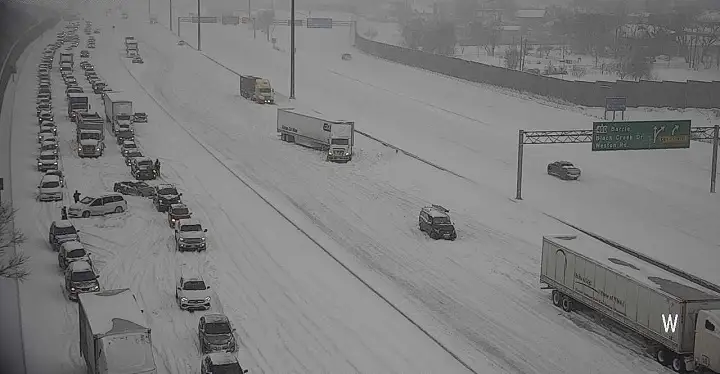
One of the most searched concerns is winter highway driving in Canada, and for good reason. Snow, black ice, and freezing rain dramatically reduce traction and visibility.
To adapt safely:
- Reduce speed gradually, never abruptly
- Increase the following distance to at least five seconds
- Avoid sudden steering inputs
- Install winter tires when temperatures fall below 7°C
Even in non-winter months, heavy rainfall can cause hydroplaning. Lighten pressure on the accelerator and steer steadily until traction returns.
Incorporating comprehensive Canada road trip safety tips. such as checking weather forecasts before departure and monitoring road advisories, adds an additional layer of precaution.
Wildlife Awareness
Wildlife collisions remain a significant risk, particularly in forested corridors and rural highways. Moose and deer are most active at dawn and dusk.
When driving through posted wildlife zones:
- Reduce speed proactively
- Scan both sides of the roadway
- Brake firmly if necessary, but avoid aggressive swerving
Maintaining lane control is often safer than abrupt steering corrections at highway speeds.
Drivisa Tips for Safer Highway Driving
Becoming proficient in long-distance driving in Canada is about discipline, preparation, and continuous skill development. Combining practical highway driving tips, understanding highway driving rules, and applying reliable Canada road trip safety tips allows drivers to build confidence and reduce preventable risks.
Highway mastery is not about driving faster; it’s about driving smarter.
👉 Build safe, defensive driving habits with experienced instructors on Drivisa.
Article By: Linh Dong
