
The G2 road test is one of the most important steps in getting your Ontario driver’s license. It’s also one of the most stressful — mostly because students don’t know exactly what’s going to happen. It is the first in person, in car, with an examiner encounter.
The test itself is straightforward. It’s designed to evaluate whether you can drive safely and responsibly in real traffic conditions. If you know what to expect before you walk in, most of the anxiety disappears.
Here’s a complete walkthrough of what happens on test day, what examiners are looking for, and how the evaluation actually works.
How long is the G2 road test?
The G2 road test typically takes 15 to 20 minutes from start to finish. Yes, it is not that long. The actual time depends on the test route, traffic conditions, and how smoothly you complete the required maneuvers.
You won’t know the exact route beforehand, but all DriveTest centres use roads in the immediate area. This is why practicing near your test location gives you a real advantage.
What happens before the test starts?
When you arrive at the DriveTest centre, you’ll check in at the front desk with your G1 license and booking confirmation. You’ll wait in the designated area until your examiner calls your name. It is very important to start with this step and not just show up with your vehicle.
The examiner will call your name and the screen (if available) will show your ticket number. The examiner will then walk you to your vehicle and complete a brief pre-test check. They’ll verify that the vehicle meets DriveTest requirements — proper insurance, functioning signals, working mirrors, and a working seatbelt for the examiner.
Once the vehicle check is complete, the examiner will get in the passenger seat and explain what will happen during the test. They’ll tell you to follow their directions and drive normally. You won’t be told the full route in advance — just the next instruction as you go.
What does the examiner evaluate during the test?
The examiner scores your performance across several categories. You’re not expected to drive perfectly. You’re expected to demonstrate safe, responsible driving habits.
Here’s what they’re watching:
Observation
Are you checking mirrors regularly? Are you doing shoulder checks before lane changes and turns? Are you scanning intersections before proceeding? Consistent observation is one of the clearest signals that you’re a prepared driver.
Vehicle control
Are you accelerating and braking smoothly? Are you staying centered in your lane? Are you controlling the vehicle confidently without jerky movements or hesitation?
Speed management
Are you maintaining an appropriate speed for the posted limit and road conditions? Are you slowing down appropriately for turns, school zones, and construction areas? Both speeding and driving significantly under the limit can be penalized.
Turns and intersections
Are you signaling properly before every turn? Are you positioning yourself in the correct lane? Are you yielding appropriately and following right-of-way rules? Are you completing turns smoothly without cutting corners or swinging too wide?
Lane changes and merging
Are you signaling before changing lanes? Are you checking blind spots? Are you merging smoothly onto higher-speed roads without disrupting traffic flow?
Parking
Can you execute parallel parking and three-point turns smoothly and safely? These are controlled maneuvers where the examiner can clearly see how well you handle the vehicle under pressure.
Following distance
Are you maintaining a safe distance from the vehicle ahead? Are you adjusting your following distance based on speed and conditions?
Stops
Are you coming to complete stops at stop signs and red lights? Rolling through a stop sign — even slightly or even in a parking lot — is one of the most common reasons students fail.
What maneuvers are included in the test?
The exact maneuvers vary slightly by test route, but most G2 road tests include:
- Parallel parking or reverse parking in a designated space
- Three-point turn (also called a turnabout)
- Lane changes on multi-lane roads
- Left and right turns at controlled and uncontrolled intersections
- Merging onto higher-speed roads (not always included, but you should be prepared for it)
- Driving in residential, commercial, and potentially highway conditions
You won’t be asked to do anything beyond what a competent G2 driver should be able to handle in everyday driving.
How does the examiner communicate during the test?
The examiner will give you verbal directions as you drive. They’ll tell you when to turn, when to change lanes, and when to pull over for a parking maneuver.
The directions are clear, but they’re not given far in advance. You need to be paying attention and ready to respond. If you’re unsure about an instruction, it’s better to ask for clarification than to guess.
The examiner will not engage in casual conversation during the test. They’re focused on observing and scoring your performance. Don’t interpret their silence as a negative signal — that’s just how the test works.
What are automatic fail actions?
Certain mistakes result in an automatic failure, regardless of how well you perform in other areas. These include:
- Colliding with another vehicle, object, or person
- Driving over a curb
- Disobeying a traffic signal or stop sign
- Exceeding the speed limit
- Dangerous driving behavior that creates a safety risk
If any of these occur, the test will be stopped immediately and marked as unsuccessful.
What happens after the test?
When the test is complete, the examiner will direct you back to the DriveTest centre and ask you to park. They’ll complete their scoring, then bring you inside to review the results.
If you pass, you’ll be issued your G2 license on the spot. Congratulations — you can now drive without an accompanying driver, though some restrictions still apply during your first year as a G2 driver.
If you don’t pass, the examiner will explain which areas need improvement. You can rebook and try again. The rebooking fee is $53.75. Most students who fail once pass on their second attempt when they address the specific feedback they received.
How can you prepare for what to expect?
Complete a BDE course
Students who complete an MTO-approved BDE course tend to show up better prepared. The theory portion covers the rules that come up directly in the test, and the in-car lessons build the specific skills examiners are looking for.
Practice the test route area
Drive the roads around your DriveTest centre before test day. Know the intersections, speed limits, and common parking scenarios. Familiarity reduces stress and lets you focus on driving well instead of navigating unfamiliar roads.
Book a lesson close to your test date
A lesson or two in the days before your test keeps your skills sharp and gives your instructor a chance to flag anything that needs attention. On Drivisa, you can book in-car lessons starting at $52/hour with instructors who know the local test routes.
Do a test-day walkthrough
Drive to the DriveTest centre before your actual test day. Know where to park, where to check in, and how long it takes to get there. Removing logistical uncertainty helps you stay calm when it matters.
Frequently Asked Questions
1. Can I bring my own car to the G2 road test?
A. Yes, as long as it meets DriveTest requirements — properly insured, in good mechanical condition, and equipped with functioning signals, mirrors, and seatbelts. If you don’t have access to a qualifying vehicle, Drivisa offers test-day vehicle rental for $170.
2. What if I make a small mistake during the test?
A. Small mistakes won’t automatically fail you. The examiner is scoring your overall performance, not looking for perfection. A minor error that you correct quickly and safely is different from a pattern of unsafe behavior.
3. Can the examiner ask me to do something I haven’t practiced?
A. No. The test only includes maneuvers that are part of standard G2-level driving. If you’ve completed your BDE course and practiced regularly, you’ll have encountered everything the test requires.
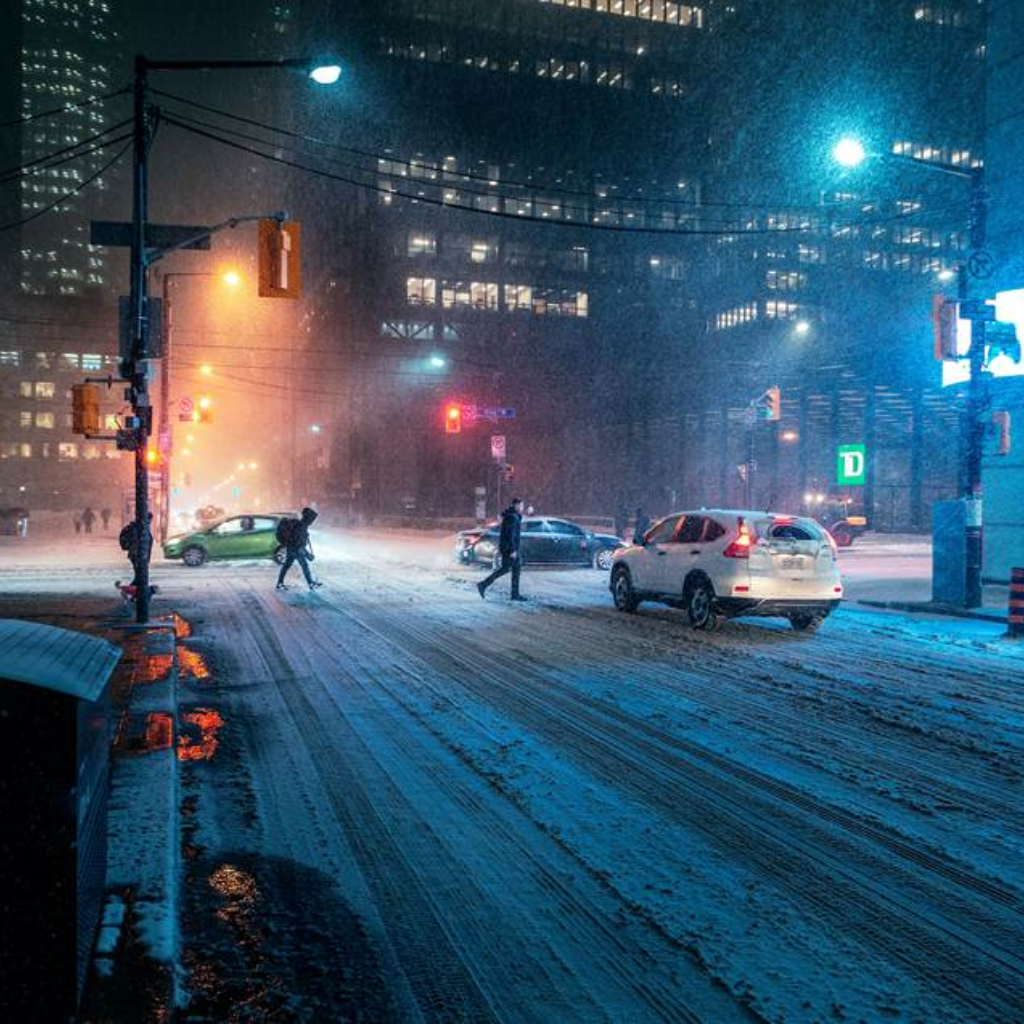
4. What happens if there’s bad weather on my test day?
A. The test will still happen unless conditions are unsafe. If you’re not comfortable driving in the conditions, you can reschedule, but you may forfeit your test fee depending on how close to the appointment you cancel.
5. How soon can I rebook if I don’t pass?
A. You can rebook as soon as you’re ready. There’s no mandatory waiting period. Most students benefit from a few more lessons to address the specific feedback from the examiner before trying again.
Preparing for your G2 road test? Book in-car lessons with certified instructors who know the local test routes at drivisa.com or through the Drivisa app.
