
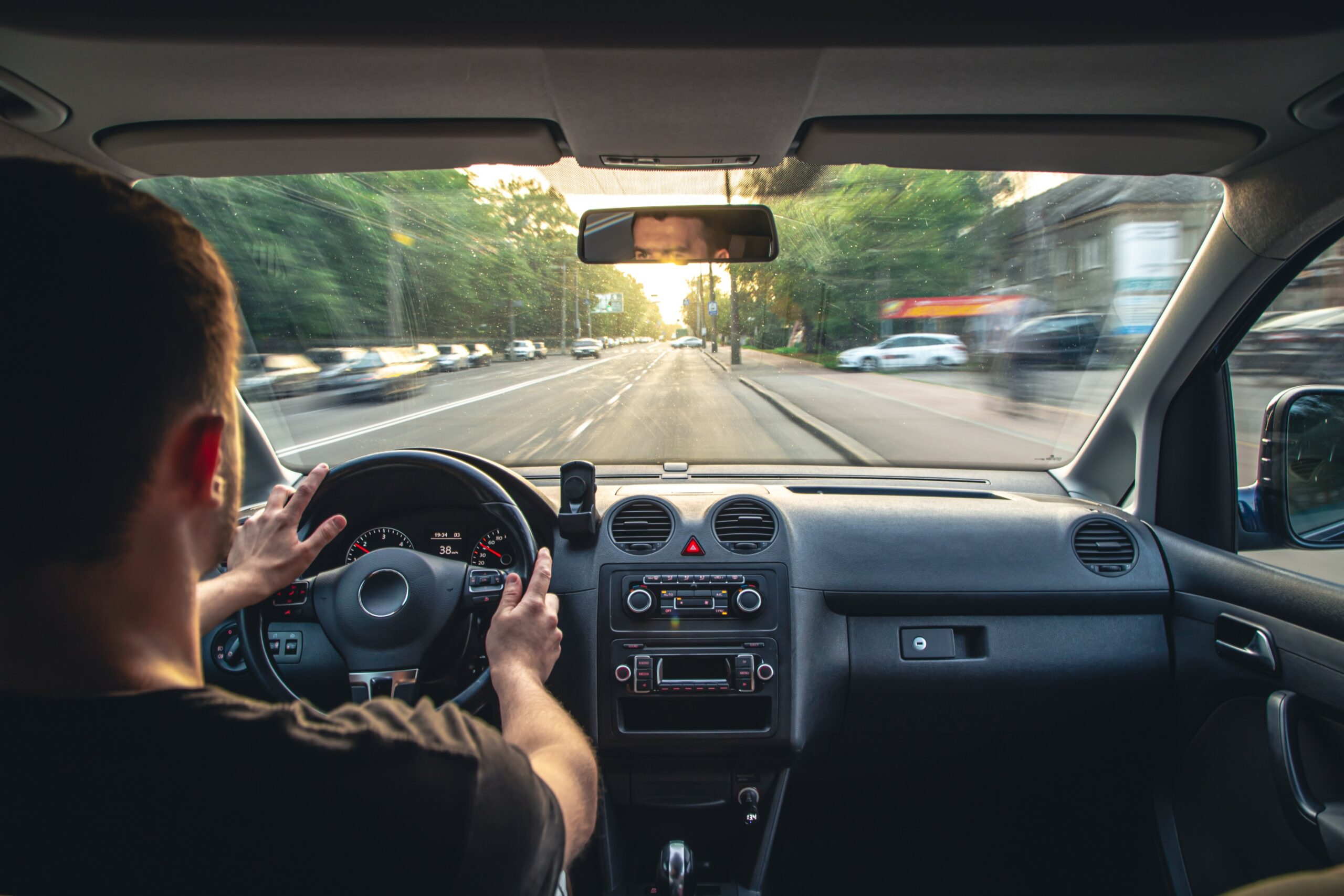
Downtown Toronto does not ease you in gently. Between the one-way streets, streetcar stops, dedicated bike lanes, and peak-hour restrictions, new drivers face conditions that suburban roads simply do not prepare them for. Knowing the rules on paper is one thing; applying them in moving traffic is another. Investing in proper driving lessons before taking to the road gives new drivers the situational awareness and decision-making skills that genuinely reduce errors on busy roads. This guide covers the practical things every new driver should understand before driving in downtown Toronto.
Understand the Road Layout Before You Go
Toronto’s downtown grid has quirks that regularly catch new drivers off guard.
- Several major roads run one-way, including sections of Bay, Simcoe, and Adelaide
- Left turns are restricted at many downtown intersections during peak hours
- Lane configurations change between blocks, especially near active construction zones
- Some roads narrow significantly near the waterfront and the entertainment district
- Road signage near Union Station and Front Street can be difficult to read quickly at speed
Studying the layout before driving, not during, removes a significant layer of stress from the experience.
The Streetcar Rule Every Toronto Driver Must Know
Streetcars operate differently from buses, and the rules around them are non-negotiable.
When a streetcar stops and opens its doors, all vehicles behind it must stop and wait until the doors close and passengers have fully cleared the road. This applies across every lane unless a raised passenger island separates pedestrian movement from vehicle traffic.
New drivers often assume this rule only applies to the lane directly behind the streetcar. It does not. Every vehicle on that road section must stop. This is one of the most commonly violated rules downtown, and it carries serious consequences for both pedestrian safety and your driving record.
Cyclists and Pedestrians Require Constant Awareness
Downtown Toronto has expanded protected and painted bike lanes on key corridors, including Bloor, King, and Dundas. These lanes are enforced, and stopping inside them, even briefly, creates real hazards.
Practical habits to build:
- Check mirrors and your blind spot before opening any door on a parked vehicle
- Never stop inside a bike lane, regardless of how short the stop is
- Yield to pedestrians the moment they step off the curb at a marked crosswalk
- Anticipate mid-block crossings near transit stops, particularly on Queen and King Streets
- Watch for cyclists filtering between lanes at red lights before moving off
A quality driver education course builds these habits through structured, supervised practice rather than trial and error on live roads.
Plan Your Parking Before You Arrive
New drivers who enter downtown without a parking plan end up distracted, circling blocks, and making reactive decisions under pressure.
- Download the Green P app and identify your parking spot before leaving home
- Rush hour no-stopping zones are clearly posted, but easy to misread when under pressure
- Underground lots near City Hall, Eaton Centre, and the Financial District are consistent and predictable
- Avoid stopping on King Street West during any peak-hour window
- Street parking time limits in the core are shorter than most new drivers expect
Pre-planning parking removes one major variable from the drive and keeps attention where it belongs.
Highway On-Ramps and Merging Near the Core
The Gardiner Expressway and DVP connect directly to downtown Toronto, and their on-ramps are short with fast-moving merge traffic that does not slow down for hesitation.
- Match the speed of existing traffic before entering the lane, not after
- Signal at least three to four seconds before any lane change
- Avoid the far left lane on the Gardiner until consistent highway confidence is established
- Exit lanes on the Gardiner appear quickly, so know your exit in advance
- Anyone who completed a driver’s ED online course, Toronto instructors recommend, should revisit the highway driving module with Toronto-specific conditions in mind
Drive Downtown Toronto as You Belong There
New drivers who struggle downtown usually share one thing: they were not prepared for Toronto specifically. Drivisa builds programs around real local road conditions, from streetcar protocol to Gardiner on-ramps and everything in between. The best driving school in Toronto is the one that prepares you for the roads you will actually drive, not just the test. Start driver’s training through Drivisa today and approach downtown Toronto with the preparation and confidence it genuinely requires. Book your first lesson on the Drivisa website and take the first step toward driving downtown without hesitation.
FAQs
Is downtown Toronto difficult to drive in as a beginner?
Yes, driving in downtown Toronto can be difficult and proper preparation through structured lessons and route study makes it manageable.
When must a driver stop for a Toronto streetcar?
Stop when doors open and wait until passengers have fully cleared the roadway.
What mistake do new drivers make most often downtown?
Ignoring peak-hour turn restrictions and stopping in bike lanes are the most common errors.
Does Drivisa cover driving lessons in downtown Toronto?
Yes. Drivisa instructors incorporate real Toronto routes, including downtown conditions, such as driving behind a street car, in traffic, and around metro lanes into lessons.
How many lessons before downtown driving feels manageable?
Most new drivers report a noticeable improvement in confidence after five to eight supervised downtown hours worth of lessons.
